
What bedtime hygiene means and where the 10 3-2-1 0 rule comes from
bedtime hygiene describes the everyday habits and timed behaviours people use before bed to support sleep onset and quality. It is not a medical treatment, but a set of practical steps that reduce physiological and mental arousal, align circadian cues, and create predictable signals that the body associates with sleep.
The 10 3-2-1 0 rule is a five-part mnemonic that maps specific timing advice onto common evening risks: 10 hours without caffeine, 3 hours without alcohol or heavy meals, 2 hours to stop work and stressful tasks, 1 hour without bright screens, and 0 snooze or repeated alarms on waking. Patient-facing sources commonly present the rule as an easy checklist for improving pre-sleep habits, while noting it is an educational routine rather than a validated clinical treatment Sleep Foundation guide.
That mnemonic gained traction because it packages several separate, evidence-supported suggestions into one simple plan that people can try without specialist input. Health services and national guidance often use similar timing tips to explain how to reduce factors that disrupt sleep NHS guidance on getting to sleep.
What each number means for bedtime hygiene: 10, 3, 2, 1, 0
10 hours: caffeine and stimulants
The 10 element asks you to avoid caffeine for about 10 hours before planned sleep. Experimental studies show that caffeine taken several hours before bedtime can reduce total sleep time and change sleep architecture, and many guidance documents therefore recommend an 8 to 10 hour cutoff as a conservative rule for people who notice sleep disturbance Journal of Clinical Sleep Medicine study.
Practical example: if you aim to sleep at 11:00 pm, the 10-hour suggestion means avoiding caffeinated drinks after about 1:00 pm. For people who metabolize caffeine more slowly or who are especially sensitive, an earlier cutoff may be helpful. Conversely, those with very late work shifts may need to tailor timing, but the principle remains that evening stimulants can delay sleep onset and fragment rest.

3 hours: alcohol and large meals
The 3-hour element recommends finishing alcohol and heavy meals roughly three hours before bed. Late alcohol can fragment sleep and alter the stages of sleep that support restorative processes, while large meals close to bedtime can cause discomfort and reflux that interrupt sleep. Clinical and public guidance therefore commonly advise avoiding heavy eating and drinking late in the evening NHS guidance on getting to sleep.
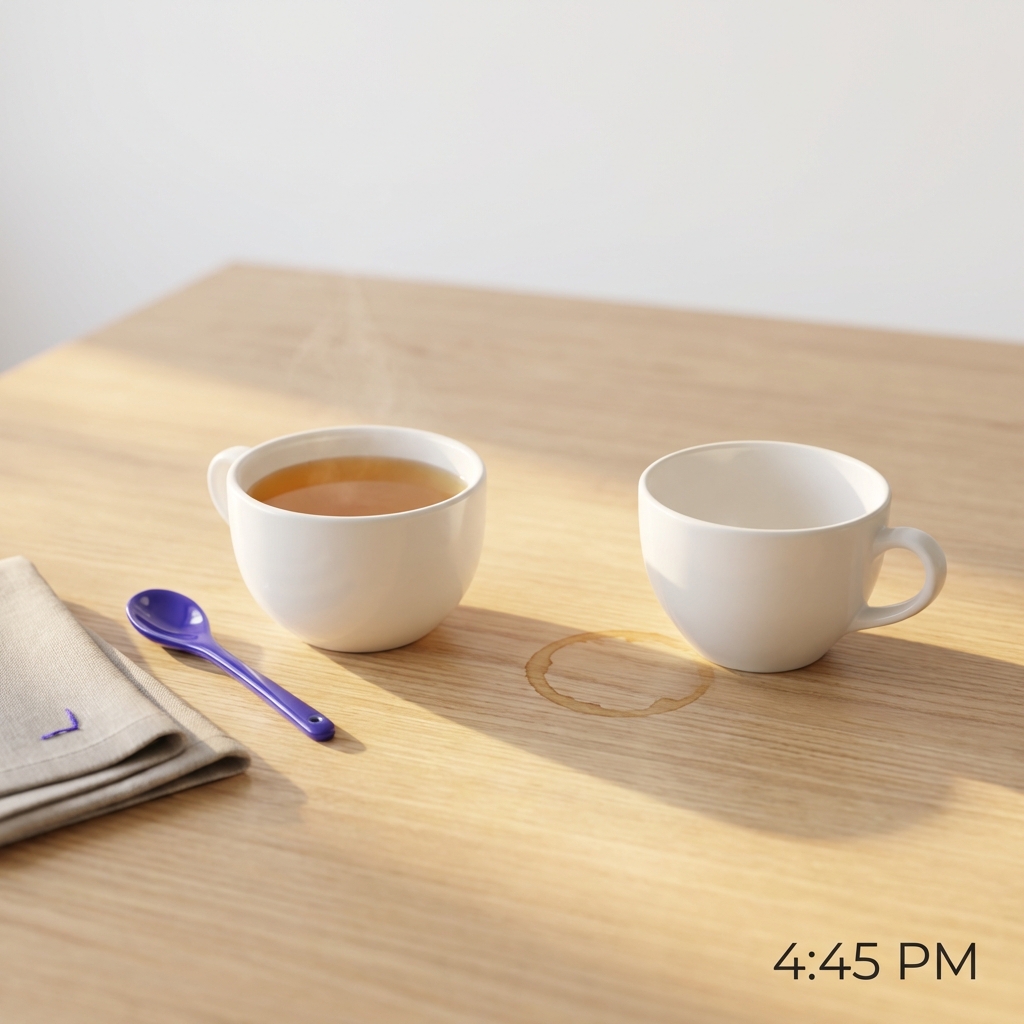
Practical example: for an 11:00 pm bedtime, aim to eat your last substantial meal by 8:00 pm and limit alcohol well before that. Small, light snacks may be acceptable if they ease hunger without causing indigestion, but heavier foods are best earlier in the evening.
2 hours: stop work and stress
The 2-hour element encourages people to stop cognitively demanding or emotionally activating tasks about two hours before sleep and begin a calm wind-down routine. Reviews of sleep-hygiene behaviours and clinical fact sheets highlight that reducing cognitive arousal in the hour or two before bed helps people fall asleep more quickly, even though large randomized trials testing wind-down timing alone are limited AASM sleep hygiene factsheet.
Practical options include switching from work email to non-stimulating activities, practicing brief relaxation or breathing exercises, or doing low-effort domestic tasks. The point is to replace problem-solving or emotionally charged tasks with predictable, low-arousal cues that prepare the mind and body for sleep.
1 hour: screens and bright light
The 1-hour rule asks people to cut bright screens at least one hour before bed because evening exposure to device light suppresses melatonin and can delay the internal clock, making sleep onset later and lighter. Laboratory and field studies support this effect for light-emitting screens used in the evening PNAS study on evening eReader use.
Practical strategies include switching devices to audio-only formats, using dim lighting, or moving social screen time earlier. Software 'night modes' can reduce blue light but do not fully remove the alerting effects of interactive content or bright displays, so combining dimming with behavioural limits is more reliable.
Explore more reliable sleep guidance at Talk About Sleep's education hub
Try dropping one timing element tonight, for example stop screens one hour before bed and note any change in how long it takes to fall asleep.
0: avoid snoozing and keep wake time consistent
The 0 element asks you to avoid repeated alarms and snoozing, and to keep wake time steady day to day. Sleep medicine guidance notes that regular wake times stabilize sleep pressure and circadian alignment, and that fragmented awakenings from snooze cycles can worsen sleep inertia and perceived sleep quality AASM sleep hygiene factsheet.
Practical tip: set one alarm for the time you intend to get up and place it across the room so you get out of bed. Keep weekend wake times within a reasonable window of weekday times to preserve circadian regularity. See tips on how to stop snoozing.
What the evidence supports and the limits of the 10-3-2-1-0 package
Strong experimental findings for specific elements
Not every component of the mnemonic has the same level of experimental evidence. The caffeine cutoff is supported by randomized and controlled laboratory work showing that caffeine taken up to several hours before bedtime impairs sleep, which is why a conservative 8 to 10 hour rule is common in guidance Journal of Clinical Sleep Medicine study.
Similarly, evening light exposure from screens has a clear mechanistic pathway through melatonin suppression and circadian delay, and controlled studies have shown measurable effects on sleep timing and next-morning alertness PNAS study on evening eReader use.
Observational and mechanistic support for other parts
Recommendations to limit late alcohol, avoid heavy late meals, and use a pre-sleep wind-down are backed by mechanistic reasoning and observational studies that link these behaviours with poorer sleep continuity and altered sleep stages. Systematic reviews of sleep-hygiene approaches find consistent support for these concepts, even if the strength of randomized trial evidence varies across items Sleep Medicine Reviews article.
Clinical bodies also endorse many individual elements as part of a broader behavioral approach, while noting that bundled hygiene advice has mixed trial results when tested as a single policy, and that individual responses vary AASM sleep hygiene factsheet.
Gaps: lack of large trials on the combined rule
Importantly, the 10-3-2-1-0 package itself has not been validated as a single bundled intervention in large randomized trials. That means certainty about the additive benefit of following all five steps together remains limited, and some users will benefit more from individual changes than from applying every element at once Sleep Foundation guide.
For most people, the pragmatic approach is to treat the mnemonic as a starting point for small experiments: try one or two changes, track sleep, and keep what helps rather than insisting on perfection.
How to adapt bedtime hygiene and 10-3-2-1-0 to your life
The 10-3-2-1-0 rule is a template, not a mandate. Personal factors such as age, medical conditions, and work schedule affect how you should interpret each timing suggestion. For example, older adults may have earlier circadian timing or different sensitivity to stimulants, requiring an adjusted window for caffeine or screen exposure Sleep Medicine Reviews article.
Shift workers and people with irregular schedules may not be able to follow every item. In those cases, prioritize rules that support consistent wake time and reduce sleep fragmentation, and use light exposure strategically to align the internal clock with the required sleep window AASM sleep hygiene factsheet.
The 10 3-2-1 0 rule is a five-part bedtime hygiene checklist that suggests timed steps for caffeine, alcohol and meals, stopping work, cutting screens, and avoiding snooze. It is a practical teaching tool supported in part by experimental evidence for caffeine and evening light, and by clinical guidance for wind-down routines and regular wake times. Use it as a structured way to test small changes and seek clinical care if problems persist.
When you cannot maintain a full wind-down window, apply parts of the checklist that are feasible: for instance, keep the 1-hour screen limit and avoid late heavy meals, even if work ends later than ideal. Small, consistent changes are usually more sustainable than strict, all-or-nothing rules.
Track adaptations for at least two weeks to see whether timing changes affect sleep latency, night awakenings, or daytime alertness, and adjust as needed based on the pattern you observe.
A practical, timed evening routine based on bedtime hygiene
Below are three sample routines, each mapped to the 10-3-2-1-0 elements. These are examples you can copy and modify to fit your schedule.
Student: evening classes and study
Wake target 7:30 am. Aim to stop caffeine by mid-afternoon, finish heavy meals by 8:00 pm, stop studying by 9:00 pm and switch to light review or brief relaxation, stop screens by 10:00 pm, and set a single alarm for 7:30 am without snooze. Prioritize the 2-hour wind-down on nights before exams where falling asleep is a concern Sleep Foundation guide.
Parent with young children
Wake target depends on the family. With caregiving constraints, aim for partial application: keep caffeine earlier in the day, avoid heavy late dinners, and try for at least 30 to 60 minutes of predictable quiet time before bed when possible. Use audio books or low-light activities during the 1-hour window if screens are needed for childcare tasks NHS guidance on getting to sleep.
Shift worker
For rotating or night shifts, anchor a consistent planned wake time after sleep periods and use timed caffeine strategically to match work demands, then avoid caffeine for several hours before the intended sleep window. Light exposure and darkening strategies can help shift circadian cues more than rigid adherence to daytime social norms AASM sleep hygiene factsheet.
Checklist to try tonight: pick one routine above, set the timing for your key elements, and record your sleep latency and sleep quality for the next week to assess impact.

Common mistakes and pitfalls with bedtime hygiene and how to avoid them
A frequent error is treating the caffeine cutoff as absolute for everyone. Small amounts late in the day still affect some people, and pocketing a late coffee on stressful days is common. The pragmatic alternative is to experiment with earlier cutoffs rather than assuming the exact hour is the same for everyone Journal of Clinical Sleep Medicine study.
Another pitfall is overreliance on screen filters or night modes as a full solution. Filters reduce blue light but do not remove the alerting effect of interactive content or bright screens, so combine filters with a behavioural screen limit when possible PNAS study on evening eReader use.
Finally, rigid rules can create sleep anxiety. Users who aim for perfect adherence may increase stress around bedtime. A better approach is incremental change: prioritize one or two elements, measure the effect, and then add more adjustments if needed Sleep Medicine Reviews article.
When bedtime hygiene is not enough: signs to seek medical help
Use the 10-3-2-1-0 rule as an educational routine, but seek clinical review if problems persist or if red flags appear. Red flags include loud, irregular snoring with pauses, persistent daytime sleepiness despite reasonable sleep habits, or prolonged difficulty falling or staying asleep that lasts weeks to months AASM sleep hygiene factsheet.
Clinicians usually start with a detailed sleep history, screening questionnaires, and sometimes objective testing or referral for cognitive behavioral therapy for insomnia. If you notice worrisome signs, early assessment can speed diagnosis and improve treatment planning.
Scenarios: adjusting bedtime hygiene for common real-life situations
Shift work and rotating schedules require prioritization and strategic use of light and sleep timing. For example, anchoring a consistent wake time even on days off can help stabilize sleep pressure, and timed bright light during wake periods can support adaptation to nonstandard schedules AASM sleep hygiene factsheet.
Caregivers and parents can rarely achieve a full two-hour wind-down every night. In those cases, pick reliable fragments: maintain the caffeine and heavy meal windows when possible, and aim for at least 30 minutes of predictable quiet time before bed on most nights. Small consistent steps often add up to measurable improvement.
Older adults may have different circadian timing and altered sensitivity to stimulants. Trial modest adjustments such as an earlier caffeine cutoff or longer wind-down at home, and track whether those changes improve sleep latency and daytime function Sleep Medicine Reviews article.
Combining bedtime hygiene with treatments and measurement
How 10-3-2-1-0 fits with CBT-I and clinical care
Cognitive behavioral therapy for insomnia, or CBT-I, is the first-line behavioral treatment for chronic insomnia and includes components that overlap with hygiene advice, but it also adds structured elements like stimulus control and sleep restriction. Sleep hygiene can be a useful adjunct to CBT-I, but for many people with chronic difficulties, formal therapy targets the behaviors most likely to maintain insomnia AASM sleep hygiene factsheet.
Simple metrics to track benefit
To test whether timing changes help, use a simple sleep diary or a basic tracker and measure the same outcomes each day: how long it took to fall asleep, number of awakenings, and perceived sleep quality. Track for at least two weeks to see consistent patterns and avoid overinterpreting single nights.
Simple nightly tracking for latency, awakenings, total sleep, and morning alertness
Record values each morning
Iterating the routine
Try one change at a time and compare baseline and follow-up measurements. For example, test an earlier caffeine cutoff for two weeks, then try a screen cutoff for two weeks. If objective or subjective measures do not improve, or if daytime function worsens, discuss options with a clinician.
If chronic insomnia or other sleep disorders are present, combine tracking with professional assessment rather than relying solely on self-help routines.
Key takeaways and a 7-day action plan to improve bedtime hygiene
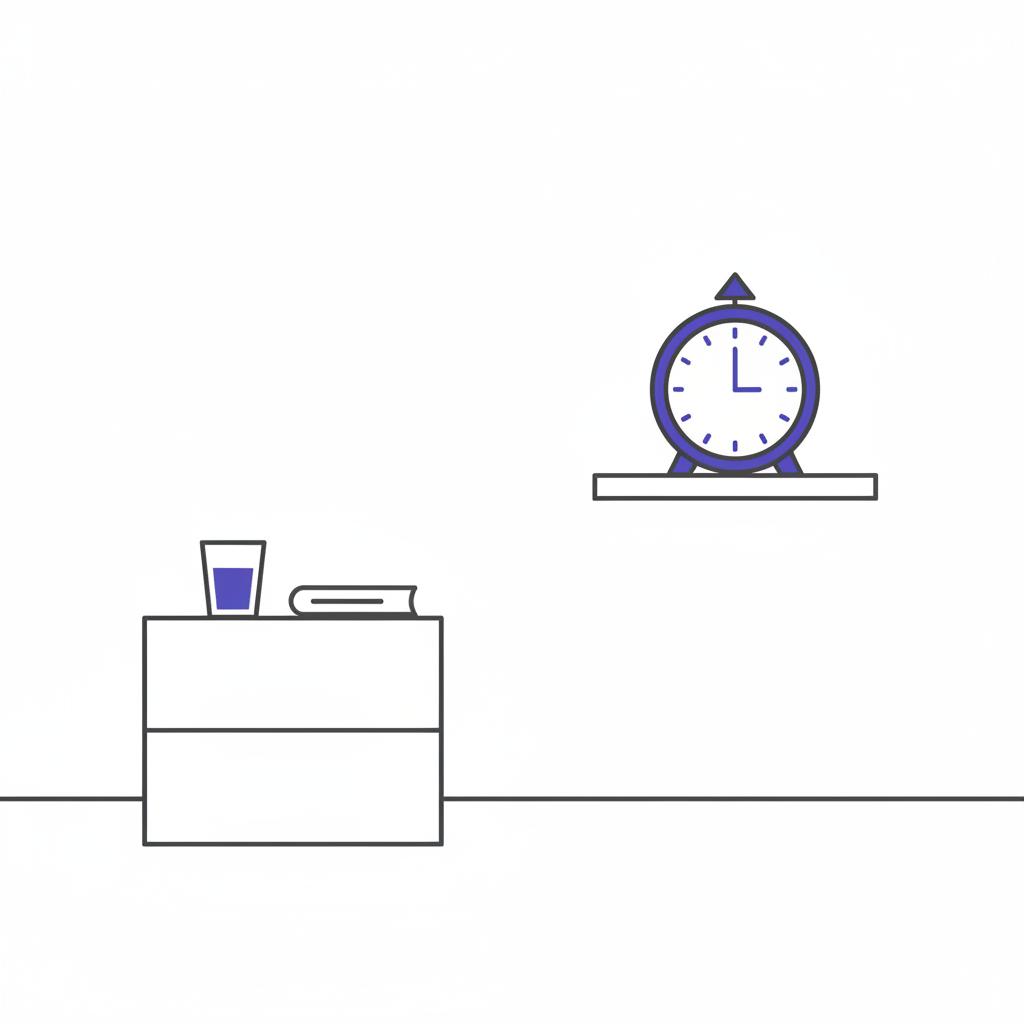
7-day plan: Day 1 pick one element to change and record baseline sleep. Days 2 to 7 follow the single change and record sleep latency and quality. At the end of the week, compare results and decide whether to keep, modify, or try a new element. If problems persist, seek clinical review. If you need help starting earlier, see how to go to sleep earlier.
The rule is a flexible teaching tool. Start with one or two elements that fit your life and track sleep for a couple of weeks. Partial adherence often helps and is better than aiming for perfection.
Cutting screens can help with sleep timing and onset for many people, but chronic insomnia often requires structured therapy like CBT-I and medical review if problems persist.
Daytime naps and caffeine interact. If naps reduce sleep pressure at night, reducing late-day caffeine and shortening naps can help; adjust both and track the combined effect.